The Cameroon's Colossus Showcasing the Country's Largest Charcoal Factory
The Cameroon's Colossus Showcasing the Country's Largest Charcoal Factory
Blog Article
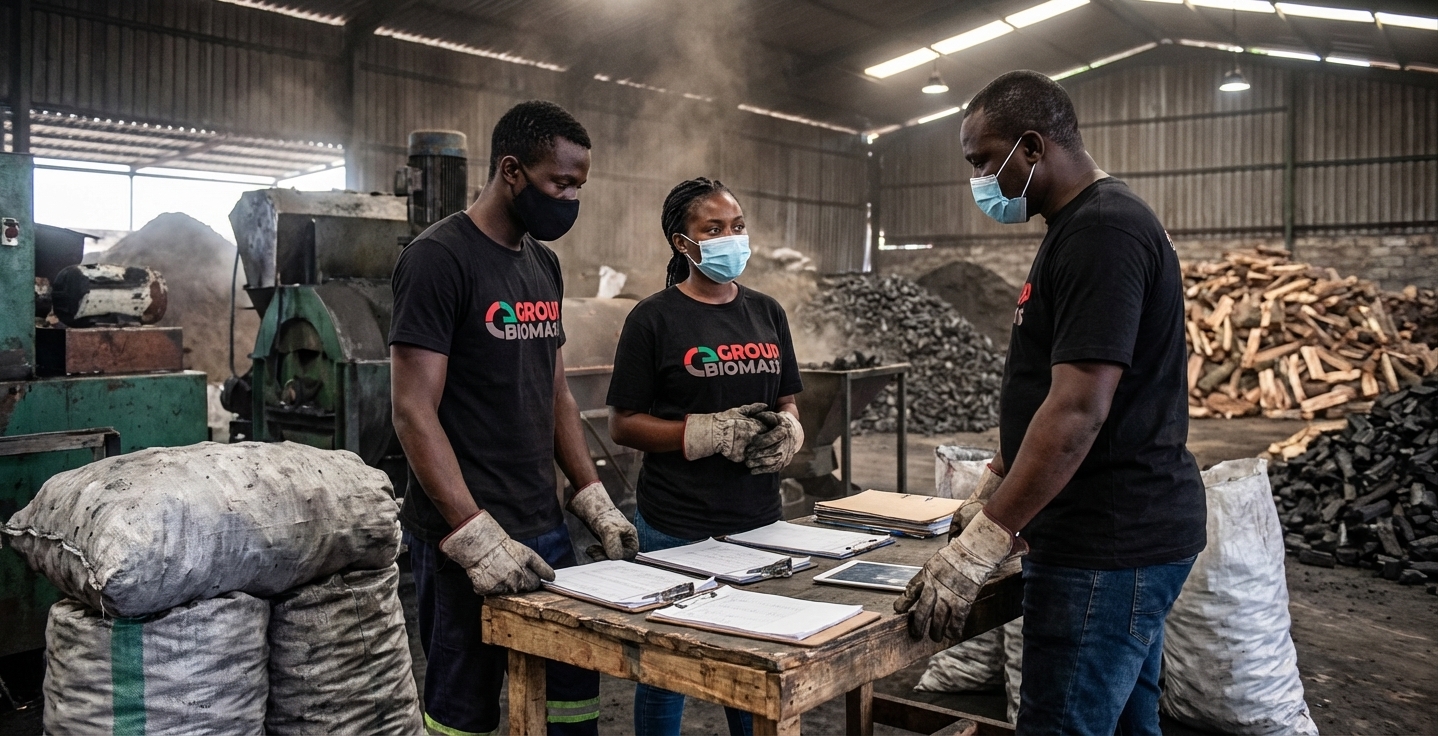
Deep within the nation , a significant facility stands as a representation to the growing demand for biomass. This production complex, reportedly the region’s premier wood operation, is attracting attention for both its scale and the potential environmental ramifications. While providing employment for local communities, the factory's activities are triggering questions about sustainable forest harvesting and the long-term well-being of Cameroon’s forests .
Natural Briquet Carbon Sale Boom: Cameroon’s Promising Player
Cameroon is seeing a significant surge in hardwood lump charcoal shipments, positioning itself as a key nation in the global industry. Thanks to expanding demand from European US and Asian markets, the region’s production of this sustainable fuel is rapidly expanding, offering promising avenues for local populations and strengthening the country's prosperity. The emphasis on environmentally friendly wood granulated carbon is demonstrating to be a essential aspect in attracting foreign investors.
Inside Cameroon’s Hardwood Lump Charcoal Factory: Production & Sustainability
Stepping across a typical Cameroon hardwood lump charcoal factory shows a rather straightforward system of creation. Raw wood, often obtained from responsible forests, are thoroughly cut and moved to a oven. Within this area, the wood is gradually burned with limited oxygen, a technique that changes it into piece charcoal. While the established methods applied can be difficult, growing contemporary factories are integrating refined systems and trying options to enhance the output and ecological conservation. hardwood lump charcoal vs briquettes This includes dedicating in renewable power and implementing rigorous waste management approaches.
Cameroon's Lump Charcoal Trade : A Major Role in International Exports
Despite mounting environmental concerns , Cameroon’s lump charcoal industry remains a surprising yet vital player in the global export landscape. The manufacture of charcoal from wood is a important origin of income for countless of the nation's families , particularly in rural areas . This practice generates a substantial volume of wood charcoal heading for international destinations , often fueling cooking needs in other countries , though this need creates problems relating to woodland depletion and eco-friendly tree management .
Le Face à Charbon Lump de Bois Dur et Les Briquettes Une Perspective Camerounaise
Au Cameroun, , le sélection face à le charbon de bois dur massif et les briquettes soulève une matière. Traditionnellement, , le charbon de bois a été préféré afin de ses arôme typique et sa capacité à créer une chaleur élevée , idéale pour la cuissons traditionnelles . Néanmoins, , des briquettes , davantage pratiques de acquérir et moins abordables, gagnent à attention, surtout chez les communautés modernes.
Eco-friendly Charcoal Creation : The Future of Cameroon’s Hardwood Business
The current method of charcoal production in Cameroon presents a major threat to its valuable hardwood woodlands . However, emerging sustainable techniques offer a viable path forward. These include technologies like agricultural waste conversion and kiln-less earth systems, which lessen deforestation, lower emissions, and offer economic opportunities for local communities . Embracing these sustainable methods is crucial to safeguarding Cameroon's biological heritage and securing the long-term sustainability of its hardwood sector while tackling climate change .
Report this page